The Benefits of NAD+: What You Should Know
April 27, 2026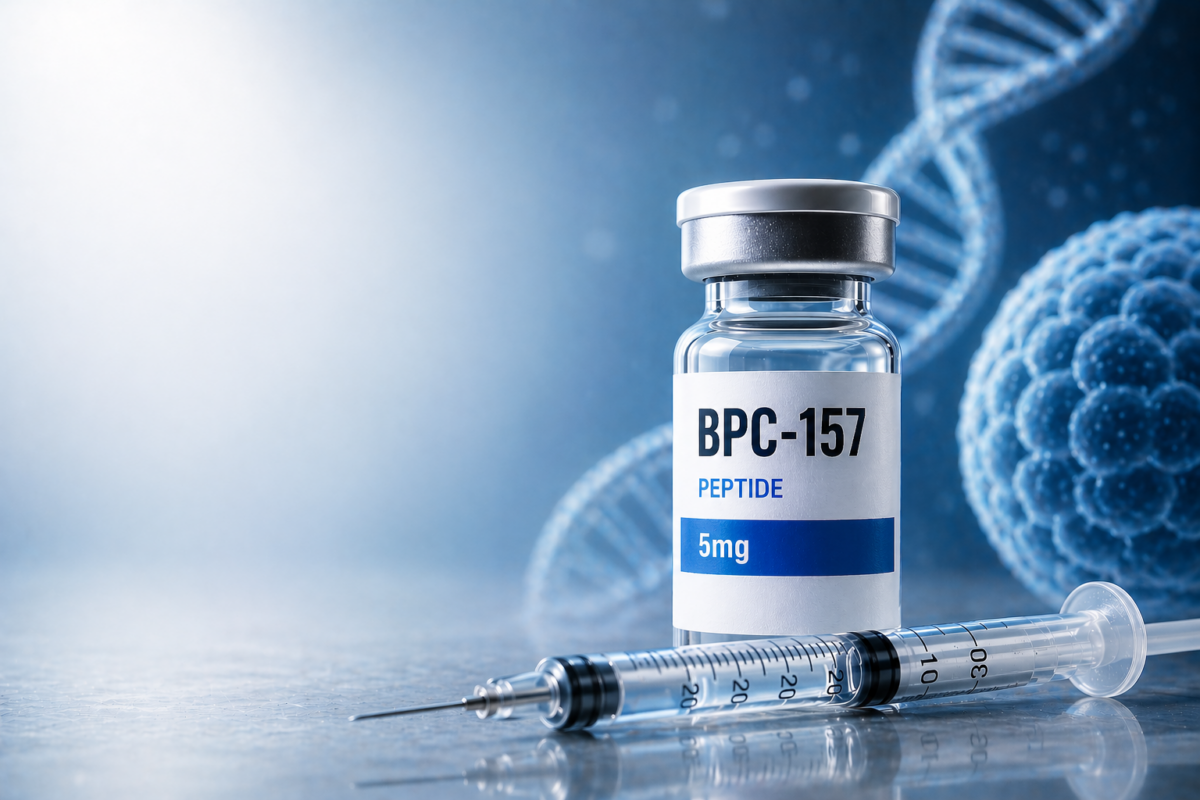
The Benefits of BPC-157: What You Should Know
In the world of regenerative and performance-focused wellness, BPC-157 has gained attention for its potential role in supporting recovery, tissue repair, and overall resilience. As interest in peptide therapy continues to grow, many individuals are exploring how compounds like BPC-157 may fit into a medically guided approach to optimizing health and performance.
What Is BPC-157?
BPC-157, short for “Body Protection Compound-157,” is a synthetic peptide derived from a naturally occurring protein found in gastric juice. It has been studied primarily in preclinical settings for its potential to support healing and protect tissues throughout the body. While research is ongoing, BPC-157 is often discussed in the context of recovery, inflammation support, and musculoskeletal health.
It’s important to note that BPC-157 is not currently approved by the FDA for general medical use, and any use should be guided by a licensed healthcare provider within a compliant, clinical framework.
Potential Benefits of BPC-157
1. Support for Tissue Repair and Recovery
One of the most commonly discussed benefits of BPC-157 is its potential role in supporting tissue repair. Early research suggests that it may promote the healing of muscles, tendons, and ligaments by encouraging cellular regeneration and improving blood flow to injured areas.
For individuals recovering from physical strain, injury, or surgery, this type of support can be a valuable component of a broader, provider-guided recovery strategy.
2. Inflammation Modulation
Chronic inflammation can interfere with recovery, performance, and overall well-being. BPC-157 has been studied for its potential to help regulate inflammatory responses in the body, which may support a more balanced healing environment.
By addressing inflammation at the source, patients may experience improved comfort, mobility, and recovery timelines when combined with appropriate medical care.
3. Gastrointestinal Support
Because BPC-157 is derived from a compound found in the stomach, it has also been explored for its potential impact on gastrointestinal health. Some studies suggest it may help support the integrity of the gut lining and assist in recovery from certain digestive challenges.
While more research is needed, this area of interest highlights the peptide’s potential versatility within a medically supervised wellness plan.
4. Enhanced Blood Flow and Circulation
Healthy circulation plays a critical role in delivering nutrients and oxygen to tissues, particularly during recovery. BPC-157 has been associated in early research with improved vascular function, which may contribute to more efficient healing and tissue repair.
This effect may be especially relevant for individuals focused on performance, recovery, or long-term physical resilience.
5. Support for Joint and Musculoskeletal Health
For active individuals and athletes, joint health is essential. BPC-157 has been studied for its potential to support joint integrity and function by promoting healing in connective tissues.
When used as part of a comprehensive, provider-guided protocol, it may help individuals maintain mobility, reduce downtime, and continue performing at a high level.
Who May Benefit from BPC-157?
BPC-157 is often considered for individuals who are:
- Recovering from injury or physical strain
- Experiencing joint or soft tissue discomfort
- Focused on improving recovery and performance
- Looking to support overall resilience and healing
That said, it is not a one-size-fits-all solution. A thorough evaluation by a licensed provider is essential to determine whether it is appropriate based on individual health history, goals, and current condition.
A Medically Guided Approach Matters
As with any advanced therapy, the effectiveness and safety of BPC-157 depend on proper use within a structured, clinically guided plan. At Regenesis Health & Wellness, treatment decisions are based on a comprehensive review of each patient’s health profile, goals, and biomarkers.
Rather than relying on generalized protocols, personalized care ensures that any therapy—whether peptide-based or otherwise—is aligned with the individual and monitored for optimal outcomes.
Final Thoughts
BPC-157 represents an emerging area of interest in the field of recovery and regenerative wellness. While early research is promising, it is essential to approach its use thoughtfully and under the guidance of a qualified healthcare provider.
For individuals seeking to optimize recovery, support performance, and take a proactive approach to their health, BPC-157 may be one of several tools considered within a personalized, medically guided plan.